

December 10, 2025
Generation "why not?": Wonderworks' latest insight report details how Gen Z is reshaping the airport experience
According to the creative drinks agency, this traveler segment is redefining what it means to shop, experience, and discover while in transit

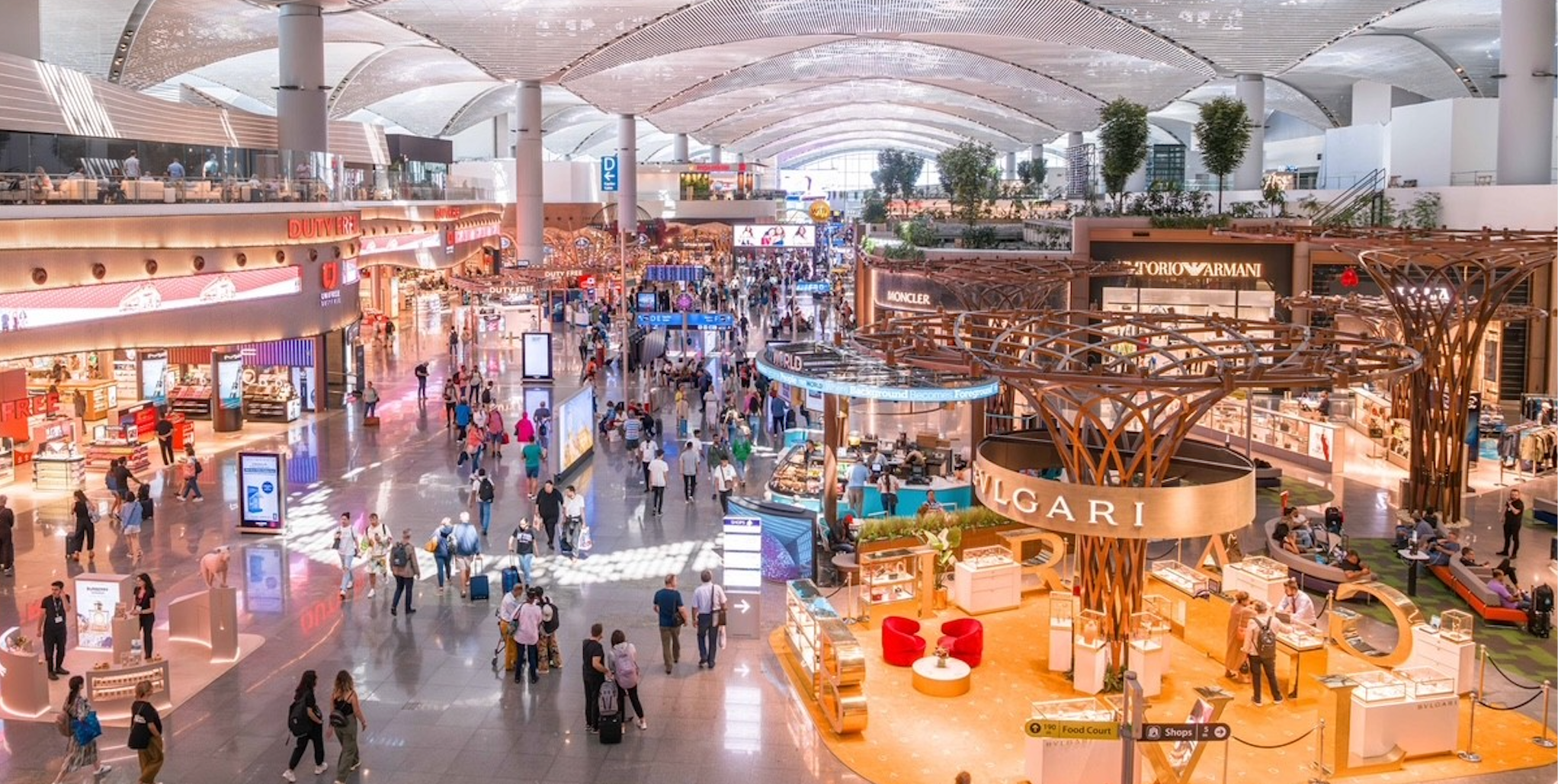
A new generation of travelers is reshaping the airport experience, and as they gain more purchasing power, their influence is increasingly felt in every corner of global travel retail (GTR). Miramur Volume 05: Desire at Departure, the latest insight report from creative drinks agency Wonderworks, reveals how Gen Z and Millennials are redefining what it means to shop, experience, and discover while in transit. From in-depth research the report explains:
- The very nature of traveling has an impact on how customers shop GTR. Being suspended between routine and adventure leads to a mix of emotions that leave consumers – especially Gen Z and Millennials – with a desire to discover
- The growing emphasis on ‘experience led’ environments is a wider cultural shift, but in airports younger consumers are seeking interactions that feel personal and worth sharing
- For younger consumers, the airport is not simply a waiting area, it is an emotional landscape charged with anticipation, boredom, sentimentality and reward. These psychological conditions create a powerful environment that – if unlocked – can present a unique opportunity for brands
The report identifies four emotional forces that define this generation’s behavior:
- Boredom and stress, which prompt the search for stimulation
- Sentimentality, where gifting and souvenirs still matter but demand authenticity
- Perceived value, which is less about discounts and more about meaningful worth
- Holiday mindset, which encourages self-treating and indulgence
Wider research into Gen Z buying behaviors by Wonderworks also shows that while they are digital natives, in-store mass merchandise purchases account for nearly 50% of their total spending; evidence of their desire for ‘bricks and mortar’ retail experiences, as well as digital ones. Combine these insights and the recommended action for brands becomes clear – GTR should be treated like a stage, not a shop shelf.
The report also shares some compelling data points around consumer behaviors in airports, with 46% of Gen Z travelers buying food to satisfy the in-between moments; and 56% of GTR revenue now coming from both entry-level discovery and prestige-led indulgence. This polarised 'barbell mindset' explains the equal desire for both attainable treats and elevated luxury in GTR.
Sarah Wildman-King, Founding Partner at Wonderworks, commented,“These travelers expect brands to inspire them, entertain them and recognise who they are. They want travel to feel expressive, and they want brands to meet them with creativity and confidence. Brands who can nail those qualities on the GTR stage, will be better poised to win their custom.”
The report also provided credible examples of brands who are putting the work in to appeal to Gen Z, detailing Jägermeister’s Orange Era activation at Frankfurt Airport, which delivered a bold, orange environment that encouraged play and social capture, turning a product launch into a participatory moment. Interactive phone booths encouraged play and social capture.
The other example provided is Don Julio x Pacha at Heathrow and Ibiza Airports, where the energy of Ibiza nightlife was injected into the terminal with DJ sets, dynamic lighting and rhythmic design cues. The experience transformed duty free into a celebration of culture and connection, aligning seamlessly with Gen Z’s appetite for immersive environments.
Generation Why Not? is one of several themes explored in Miramur Volume 05, which also examines experience design, desire zones, meaningful luxury and the interplay between social media and purchase behavior. The report invites readers to understand the wider cultural forces shaping global travel retail, providing brands with useful insights and tangible takeaways to help them capitalize within the GTR market.

.jpg)